How the decisions actually get made
Written the way we would explain it to someone sitting next to us: what we look at, in what order, and where the method has cost us something to learn. No signals, no picks, no account screenshots.

Your trade did not change. Your exposure doubled.
You sold a put well below the stock price, and the stock has drifted toward it. The loss on your screen is still small, so you wait. Meanwhile the position has quietly grown: it now reacts more strongly to the stock's next move than it did the day you sold it. The loss does not show that.
Read the article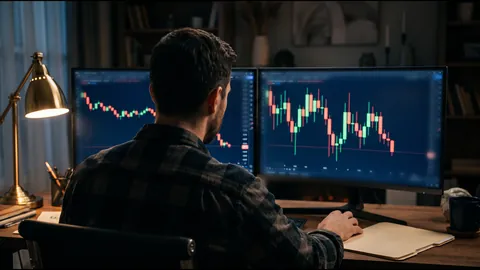
The put that pays more also loses less. Sell it anyway?
Two puts, the same strike, the same expiration. One pays 75, the other 190. If both stocks fall to the same price below the strike and both puts are assigned, the put that paid more leaves the smaller loss. So the premium column settles it. Except that it leaves out the one thing you will be holding when the trade goes wrong.
Read the article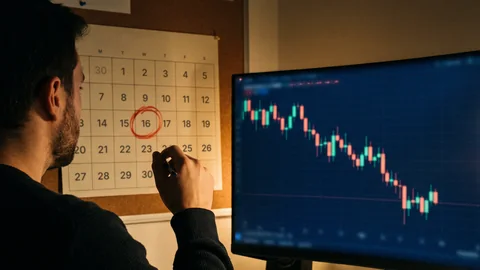
A roll is a new trade. Read the calendar again.
When a put you sold goes against you, the usual advice is to roll it further out: buy it back and sell a new put that expires later. That one move can carry the position straight into the earnings report you were careful to avoid when you opened it. The fix is one check, run on the day of the roll, before you look at what the new put pays.
Read the article
The defense you can afford is decided the day you open the trade
When a sold put goes against you, the usual advice is to roll it: buy it back and sell a new put with a later expiration. A roll is a repair, and a repair needs room. Whether that room exists was settled weeks earlier, on the day you opened the trade.
Read the article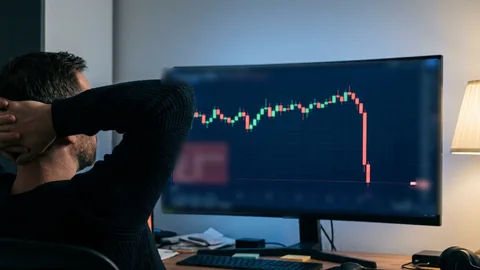
Same trade, same spike, one margin call
Two traders sell the same put on the same day, with the same money in the account. Volatility rises. One of them is forced out at the worst possible time. The other one can manage the position calmly. The only thing they did differently was size.
Read the article
Below the strike, a sold put is stock
Above its strike, a sold put is a claim on time. Below it, every dollar the stock falls costs you a dollar, and you are holding a stock position you never bought. There is a tool for that morning. It has a cost, and it has limits.
Read the article
Three positions, one bet
A put on a cloud software name, a put on a consumer discretionary name, a put on a semiconductor name. It looks like a spread-out book. When risk appetite turns, the three fall together, because underneath they are the same bet on growth.
Read the article
Support in a downtrend is a level to watch, not a setup
For more than two years we sold puts at support on quality names that had just fallen a long way. Too many of them kept falling. Two mistakes, neither of them the strike.
Read the articleAbout SafePremium Academy
SafePremium Academy teaches a rules-based framework for selling options premium: how candidates are selected, how exposure is sized, and how a position is defended when it moves against you. The method is what survived after years of testing approaches that did not. We trade it ourselves, with real capital today.
Educational content only. Not investment advice. Options involve risk of loss.