Same trade, same spike, one margin call
Two traders sell the same put on the same day, with the same money in the account. Volatility rises. One of them is forced out at the worst possible time. The other one can manage the position calmly. The only thing they did differently was size.
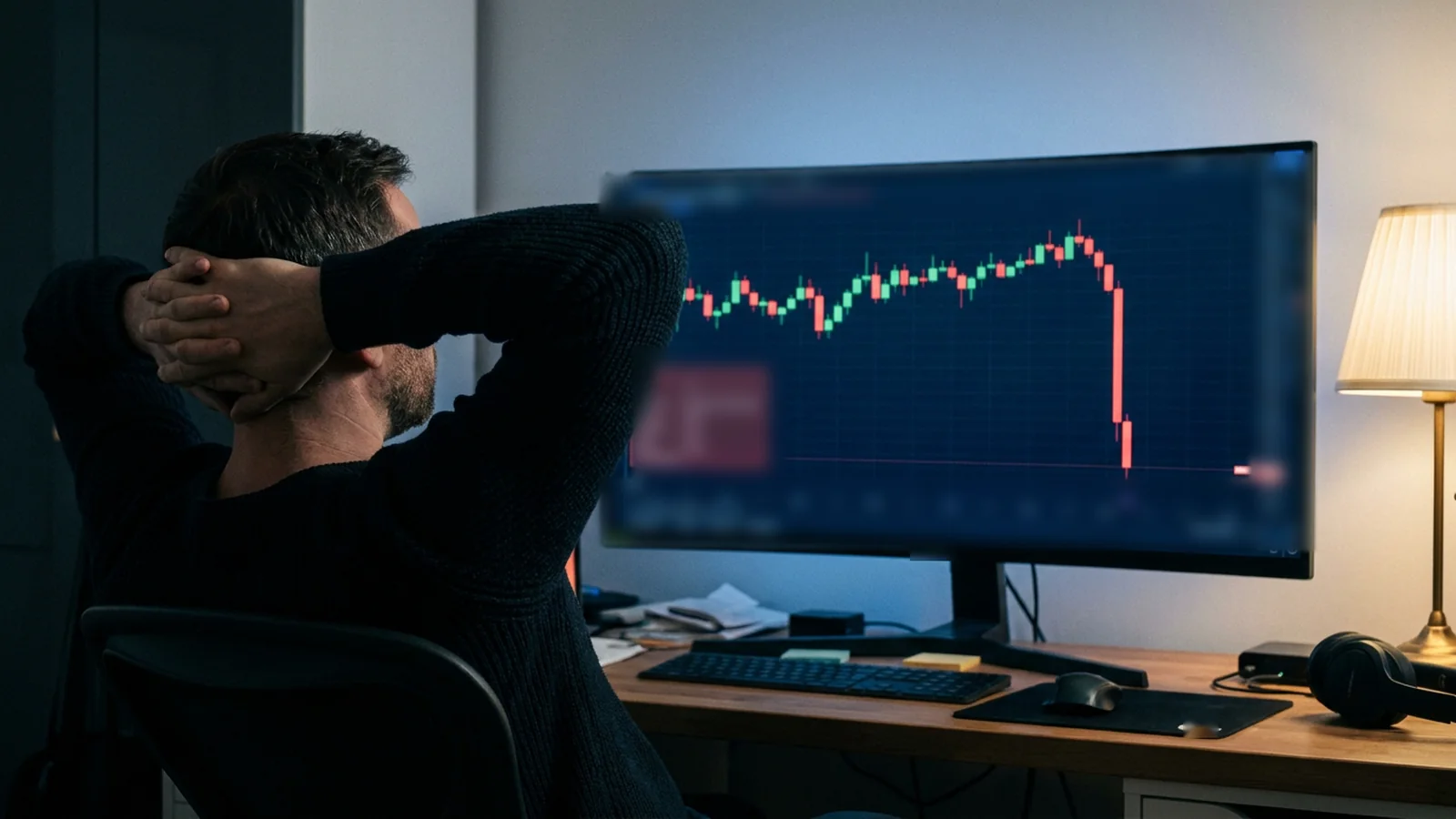
Two traders, same market, same day, same trade. With an index fund at 500, both sell the 480 put. Both have 60,000 dollars in the account. The only thing they choose differently is how many contracts.
Trader A sells ten. The broker requires 55,000 dollars of margin against them, out of the 60,000 in the account. Trader B sells two, and the requirement is 11,000 dollars.
Then volatility rises and margin expands. Trader A faces a margin call and is forced to close at the worst possible time. Trader B is comfortable: no forced liquidation, and she can manage the position calmly.
Same trade. Same spike. One margin call. The difference was not skill. It was size.
Margin is collateral, and it moves
Margin is one of the most misunderstood parts of selling options. It is not a fee and it is not a cost. It is collateral: capital the broker requires you to keep in the account to make sure you can meet the obligation you took on when you sold the put.
And it is not fixed. What the broker asks for depends on the stock price, how far the strike sits below it, implied volatility, the number of contracts and the time left to expiration. Volatility can move the requirement even when the stock goes nowhere. When the stock moves toward your strike, or implied volatility rises, the requirement climbs, even if you have not placed a single new trade. A position that needed 4,000 dollars of margin on Monday might need 6,000 by Wednesday if the stock dropped and volatility spiked.
That is where the two stories split. Trader A had about 92 percent of the account committed before anything went wrong. When the requirement grew, there was nowhere for it to go. Trader B had about 18 percent committed. The same growth landed in room that was already there.
What the call actually is
A margin call is not a verdict on the trade. Trader A's put may have been a perfectly reasonable one. The call comes because the account can no longer carry the collateral, and it comes when volatility is high, which is when the put is expensive to buy back. That is what being forced to close at the worst possible time means in practice. At some brokers there is not even a call: when the account falls short, positions are closed automatically, and the broker decides what to close and at what price.
Size is decided on day one
The instinct after a story like this is to look for a better trade. In our view that is usually the wrong lesson. Most accounts that blow up did not pick a bad trade; they put too much on a normal one. Four habits follow from that. Never position near your limit. Keep a buffer for volatility spikes. Remember that margin can expand without you doing anything. And expect it to move around earnings, central bank meetings, inflation reports and geopolitical events.
Watching margin is a daily job, not an occasional one. And there is a simple test for the number you see: margin should feel comfortable, not stressful. If it feels stressful, you are over-exposed.
Trader B did not see the spike coming any better than Trader A did. She had simply left room for it before it arrived, and that room is what let her manage the position herself instead of having it managed for her.
From habits to rules
The four habits above come from Module 1 of SafePremium Academy's course on selling options premium. Later in the course they become rules you can count before you place the order: how much of the account a new position may commit, how much room to leave for a volatility spike, and how to size a position so that it can still be defended when it moves against you. The short overview video shows the whole method: what to check before the trade, how to size it, and how to defend it.
The free guide
Would You Own It? The Ownership Test Behind Every Put You Sell. Six pages on the question that comes before any trade: whether you would be willing to own the business at all. When you confirm your email, Module 1 of the course, Options 101, opens on your dashboard as well, with its section on assignment and margin.
About SafePremium Academy
SafePremium Academy teaches a rules-based framework for selling options premium: how candidates are selected, how exposure is sized, and how a position is defended when it moves against you. The method is what survived after years of testing approaches that did not. We trade it ourselves, with real capital today.
Educational content only. Not investment advice. Options involve risk of loss.